Discover the world with local guides.
Popular:
From €99 · For the Vigo and Baiona day trip, we will start by visiting Baiona and the Fortress of Monterreal which offers great views over the islands. We th…
Vigo sits along Galicia's rugged southwestern coast, where deep estuarine waters meet green hillsides shaped by maritime history. If you are planning a trip to Northwest Spain, discovering the best things to do in Vigo reveals an authentic working port city far removed from mainstream resort circuits. It suits independent travellers, food enthusiasts hunting for world-class seafood, and history lovers eager to explore Celtic heritage and granite old towns.
Unlike Spain's Mediterranean hubs, Vigo moves to the rhythm of Atlantic tides, commercial fishing fleets, and lively tapas streets. Its character stems from the contrast between a bustling industrial harbour and quiet granite hilltop fortresses overlooking the expanse of the Ría de Vigo.
The historic heart of Vigo has transformed into a vibrant pedestrian district of restored granite townhouses, steep stone alleys, and quiet squares. Walking through Casco Vello allows you to feel the traditional atmosphere of Galicia, where small artisan workshops sit alongside modern tapas bars. Don't miss Plaza de la Constitución, a fine spot to sip local Albariño wine outdoors. Aim to explore late in the morning when shops open, or during early evening when locals gather for apéritifs. Allow around two hours, and wear sturdy walking shoes for the cobblestones.
Perched high above the city centre, Monte do Castro features the stone ramparts of a 17th-century fortress surrounding beautifully manicured gardens. Climbing to the top rewards you with panoramic views across the urban skyline, the shipping lanes, and the surrounding ria. Below the fortress walls lies a reconstructed iron-age Celtic settlement site showing how early inhabitants lived. Late afternoon is the ideal time to visit, as the warm light hits the bay below. Bring water for the uphill walk and plan for a ninety-minute visit.
Rúa Pescadería, known locally as Oyster Street, offers one of Galicia's signature culinary experiences. Local fishmongers shuck fresh flat oysters caught right in the estuarine waters, serving them on simple platters alongside lemon wedges and chilled regional white wine. Watching the lively street trade while enjoying raw seafood straight off the granite counters is essential to understanding Vigo's maritime soul. The best time to visit is around noon when the morning catches arrive. Budget about an hour for a quick seafood lunch.
To combine urban discovery with the scenic coastline of Southern Galicia, join the Best of Vigo & Baiona shore excursion. This guided five-hour route takes you from the port into the historical center before following the coastal road south to Baiona, famous for its medieval fortress walls and historic marina. It provides clear historical context from a local guide, ideal for cruise passengers or travellers wanting an organized introduction to the area. Wear comfortable layers and bring a camera for the coastal stops.
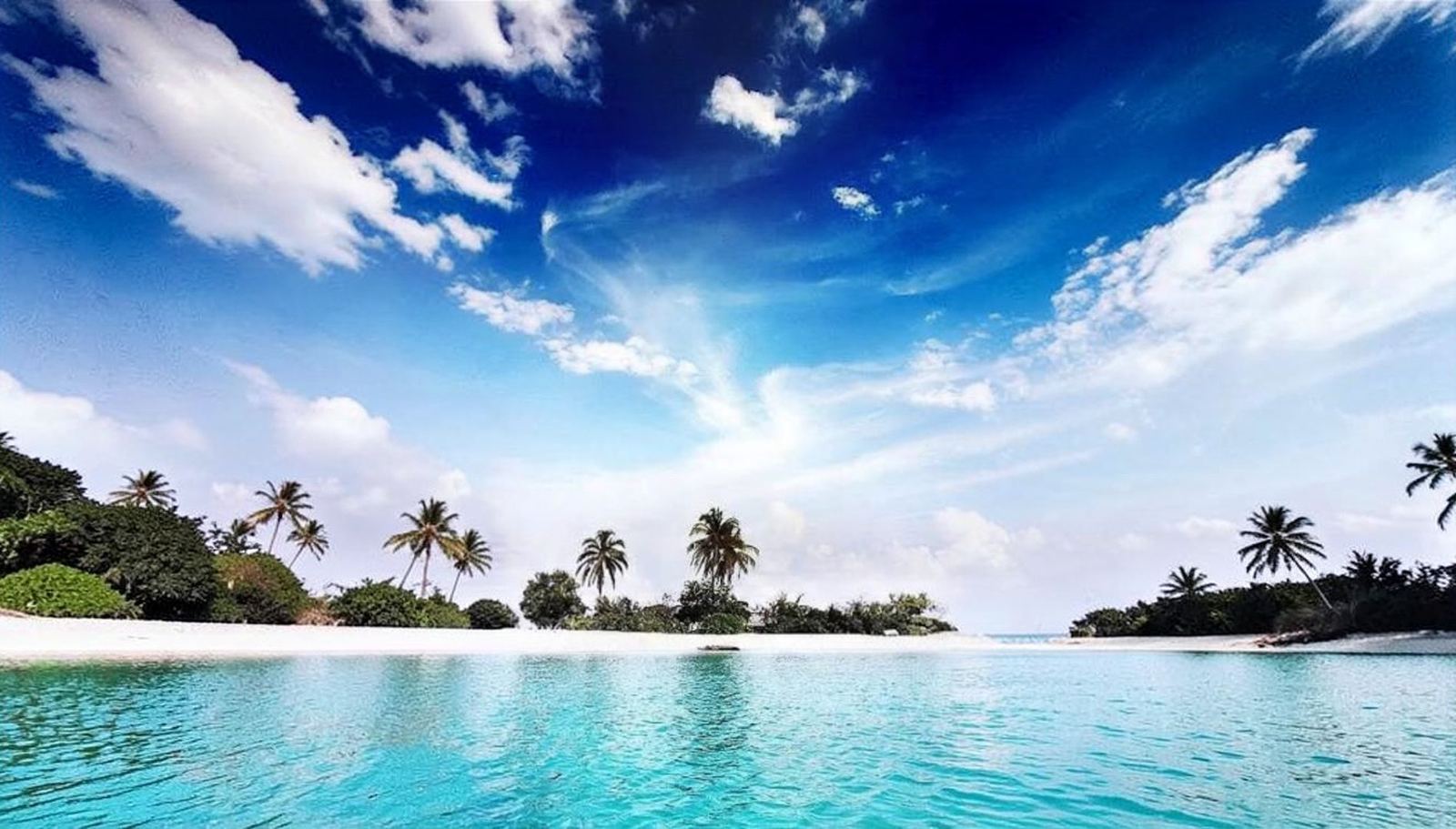
Forming a natural barrier at the mouth of the Ría de Vigo, the Cíes Islands are part of the Atlantic Islands of Galicia National Park. Renowned for white sand beaches, clear turquoise waters, and pine-scented hiking paths, the archipelago offers strict environmental protection with limited daily visitor numbers. Hiking up to the Monte Faro lighthouse yields views of dramatic cliffs and sea bird colonies. Catch an early morning ferry from the Vigo terminal, bring sunscreen, pack a picnic, and plan for a full-day trip.
Situated slightly inland, Castrelos Park is the city's largest green space, built around an elegant 17th-century country manor (Pazo de Castrelos). The manor houses the Quiñones de León Museum, exhibiting regional archaeology, historical furniture, and Galician artwork. Surrounding the residence are English-style gardens and formal French parterres adorned with ancient camellias and decorative fountains. It provides a peaceful retreat from the downtown traffic. Morning is best for quiet walks; allow two hours and wear comfortable walking shoes.
Samil Beach is Vigo's primary urban beach, stretching for over a kilometer along the southwestern edge of the city. A wide paved promenade runs parallel to the shore, lined with shade trees, outdoor cafes, salt-water pools, and green lawns. On clear days, the horizon frames the jagged silhouettes of the offshore islands. It is a popular spot for morning runs, family outings, and sunset walks. Pack a beach towel, sun protection, and extra layers, as Atlantic sea breezes can pick up quickly by mid-afternoon.
Housed in a grand 19th-century building that formerly served as the city jail and courthouse, the Museum of Contemporary Art (MARCO) features avant-garde visual arts, design, and architecture exhibitions. The museum has no permanent collection; instead, it hosts rotating temporary shows featuring national and international artists. The stark white galleries inside the former prison structure create a unique space for modern installations. Afternoon is a great time to visit, especially on rainy days. Plan to stay for about an hour.
Located on the coastal headland of Alcabre, the Museo do Mar de Galicia explores the deep connection between Galician culture and the ocean. Designed by celebrated architects Aldo Rossi and César Portela, the complex includes former canning factory buildings, modern glass pavilions, an aquarium section, and a stone pier extending into the sea. Interactive displays detail traditional fishing techniques, shipbuilding history, and oceanography. Afternoon visits fit well before sunset; allow two hours for the indoor and outdoor exhibits.
Vigo's expansive harbour is one of the world's largest natural ports, handling everything from international container ships to wooden fishing trawlers. A walk along the nautical mile, stretching from the cruise terminal past the Real Club Náutico down to the commercial piers, lets you observe the daily maritime traffic. Sculptures like the bronze monument to Jules Verne line the path, referencing his fictional Nautilus visiting the bay. Early morning is ideal for seeing the fishing docks active, while evening offers pleasant coastal strolling.
Vigo experiences an oceanic climate characterized by mild temperatures year-round, moderate summers, and rainy winters. Choosing when to travel depends heavily on whether you prioritize beach days, hiking, or seasonal gastronomy.
Summer (July to August) brings warm temperatures averaging 22°C to 26°C, long sunny days, and low rainfall. This is the prime season for visiting the Cíes Islands and enjoying coastal beaches, though accommodation prices peak and main sights see higher foot traffic.
Spring (April to June) and early Autumn (September to October) are excellent times to visit. Spring saw gardens and camellias in full bloom, while autumn brings comfortable temperatures averaging 18°C, fewer crowds, and rich seasonal seafood harvests. Rain shower probability increases slightly, so bringing water-resistant outerwear is recommended.
Winter (November to March) brings cooler conditions (8°C to 14°C) and heavy Atlantic rainfall. While beach visits are off the table, winter offers an authentic local vibe, brisk coastal walks, hearty Galician stews, and quiet museum visits without summer crowds.
Vigo is well connected to the rest of Spain and neighbouring Portugal by modern highway networks, high-speed rail links, and regional ferry lines. The central train station, Vigo-Urzaiz, offers direct high-speed services to Santiago de Compostela, A Coruña, and Madrid, while Vigo-Guixar connects to Porto in Northern Portugal.
For travellers arriving by air through regional gateways, arranging a private airport transfer provides a direct, stress-free route directly to your city accommodation, avoiding public transit transfers with heavy luggage.
Once inside the city, much of the historic quarter and waterfront is easily walkable, though Vigo is notoriously hilly. Steep inclines connect the lower port area with higher neighborhoods like O Castro. To save your legs, make use of the city's public network of outdoor escalators and elevators (known as Vigo Vertical). Local public buses operated by Vitrasa cover outer districts like Samil Beach and Castrelos Park efficiently; ticket payment can be made onboard with cash or contactless cards.