Discover the world with local guides.
Popular:
72 experiences
✓ Licensed local guides
✓ Instant confirmation
24 hours before: free cancellation
From €980 · We organize daily cruises,along the easten coast of Rhodes Island. Our trip is one of the most relaxing and adventurous tours on the island. We h…
Rhodes stands apart from other Greek islands due to its massive, living medieval city wrapped in stone fortifications alongside long stretches of Aegean coastline. Whether you are looking for ancient history, quiet coves, or vibrant seaside dining, the list of things to do in Rhodes spans centuries of civilization. It suits history enthusiasts, road-trippers, maritime adventurers, and families wanting a relaxed island getaway.
What truly distinguishes Rhodes is its layered heritage. Here, classical Greek ruins, Byzantine churches, Ottoman mosques, and Hospitaller knight fortresses exist within a few square miles. Outside the main town, pine-forested mountains yield to fishing villages and dramatic coastal views, offering a rich Greek experience.
Located at the highest point of Rhodes Old Town, this 14th-century fortress served as the administrative centre for the Knights Hospitaller. Rebuilt during the Italian occupation in the 1930s, the palace features grand Gothic archways, thick stone battlements, and genuine Roman mosaics brought from Kos. Inside, detailed exhibits chronicle the island's medieval and ancient history. Allow at least two hours to explore the courtyard, grand halls, and museum rooms. Visit early in the morning to beat tour groups and capture soft morning light on the golden sandstone walls.
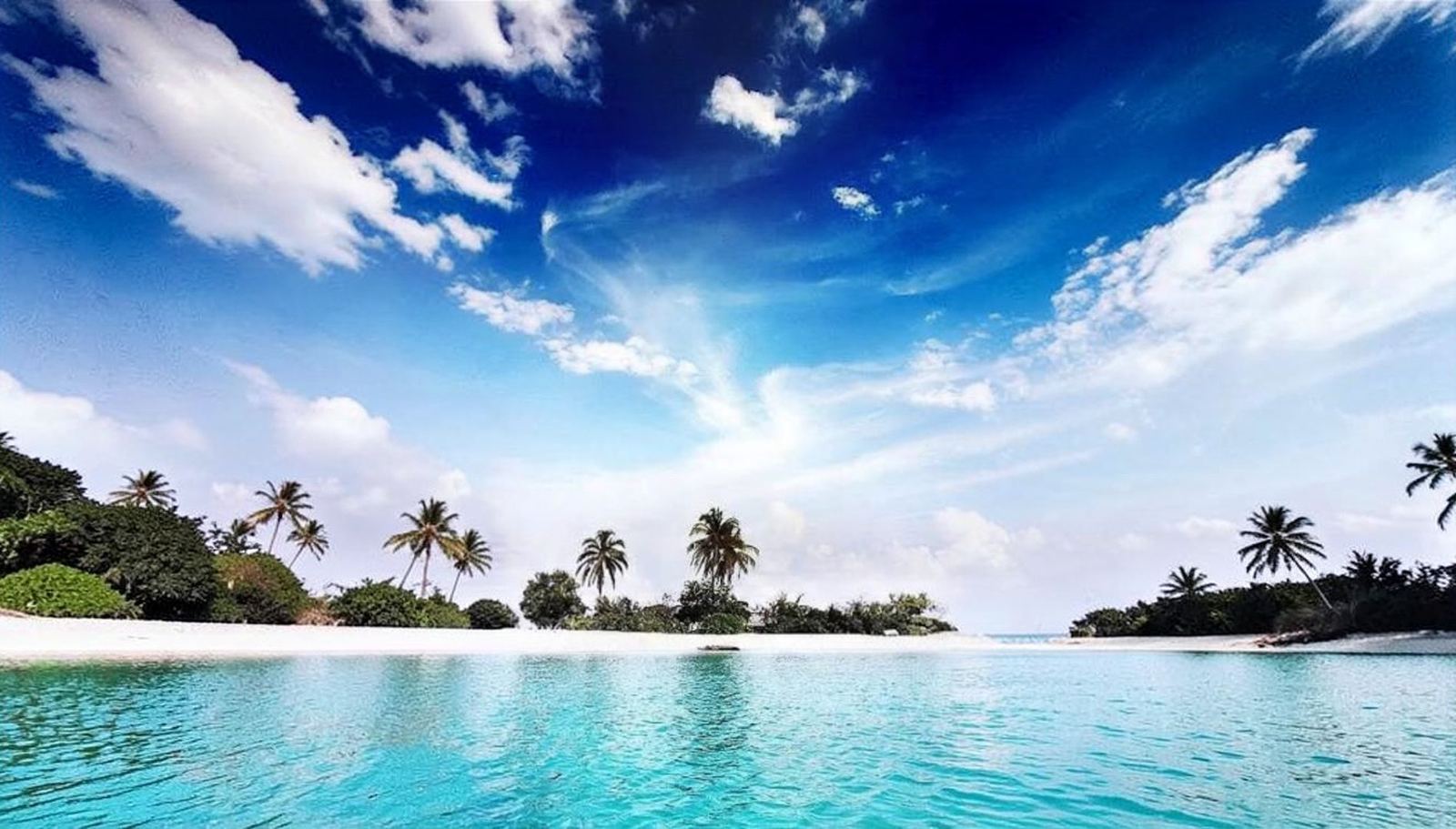
To experience the island from the water, book the Nikolaos Sailing Yacht Daily Cruises-All inclusive. This seven-hour excursion takes you along the eastern coastline to secluded bays and clear waters perfect for swimming and snorkeling. Because it is a private boat charter, you enjoy an uncrowded deck, freshly prepared local food, and drinks served throughout the day. It provides an ideal way to see coastal cliffs and swim in sheltered coves without the noise of commercial passenger ferries. Bring sunscreen, a towel, and water shoes.
Stretching from the Palace of the Grand Master down to the Archaeological Museum, the Street of the Knights (Odós Ippotón) remains one of the finest preserved medieval residential streets in Europe. Lined with historic inns where knights resided according to their language regions, the cobbled alley retains its original 14th-century stone facades and carved coats of arms. It is best visited late in the afternoon or after sunset when warm streetlights illuminate the stone without mid-day heat. Wear sturdy shoes, as the cobblestones are polished slick by centuries of foot traffic.
Perched on a steep cliff above the white village of Lindos, this ancient site combines classical Greek temples with medieval fortifications. The Temple of Athena Lindia, dating back to the 4th century BC, stands against open views of St. Paul's Bay. Walking up through the pedestrian village of Lindos to the citadel gates takes roughly 15 minutes. Start your climb around opening time in the morning before the sun reaches its peak, and bring plenty of water, sunglasses, and a wide-brimmed hat for protection.
Mandraki is the historic port where the legendary Colossus of Rhodes once stood. Today, the entrance is marked by two stone pillars topped with bronze statues of deer, the symbols of modern Rhodes. The harbour promenade features three historic stone windmills, the Fortress of St. Nicholas, and Italian-era public buildings like the Post Office and the Governor's Palace. It is a pleasant 45-minute stroll, best enjoyed in the early evening when local vendors set up along the waterfront and evening breezes clear the heat.
Housed in the former Hospital of the Knights inside the Old Town, this museum combines ancient artifacts with late-Gothic hospital architecture. The central courtyard features stone cannonballs and a marble lion, while interior halls display classical statues, grave stelae, and intricate floor mosaics. The highlight of the collection is the famous Aphrodite of Rhodes marble statue. Plan for about 90 minutes inside, and step out into the shaded interior garden courtyard to relax away from the busy streets.
Named after the actor who filmed scenes for *The Guns of Navarone* on location here, this narrow cove on the east coast is famous for its clear emerald waters and surrounding pine trees. The rocky shore makes it ideal for snorkeling along the underwater drop-offs. Sun loungers fill up rapidly during peak summer months, so aim to arrive before 9:30 AM to secure a spot. Water shoes are strongly recommended due to the pebbly entry into the sea.
Situated on the northwest coast, Kamiros was one of the three ancient city-states of Rhodes alongside Ialysos and Lindos. Uncovered by archaeologists in the 19th century, the site offers a clear picture of an ancient Hellenistic town, complete with residential layout, a market square, a temple dedicated to Athena, and a sophisticated water storage system. It sees far fewer visitors than Lindos, making it a quiet stop for history enthusiasts. Allow about one hour to walk through the excavated street grid.
Perched high on a rocky promontory between Kolymbia and Archangelos, the Panagia Tsambika Monastery rewards visitors with sweeping views along the eastern coast. Reaching the small white chapel requires climbing roughly 300 stone steps through pine trees from the upper parking area, but the summit panoramas are worth the effort. Traditional belief holds that making the climb brings good fortune. Combine your visit with a swim at Tsambika Beach located directly at the foot of the hill.
The stone ramparts enclosing Rhodes Old Town stretch over four kilometres and represent one of the most complete medieval fortification systems in the world. On select days, visitors can walk along the upper fortifications between the Palace of the Grand Master and the Gate of St. John. The elevated path offers unique views over the dry moats, quiet alleyways, and church domes. Check schedule details at the palace entrance, as wall access hours vary depending on restoration work and season.
Rhodes enjoys one of the longest sunny seasons in the Mediterranean, with more than 300 days of sunshine each year. Deciding when to visit depends on whether you prioritize beach weather or comfortable sightseeing.
Spring (April to May) brings mild temperatures, green countryside, and clear air. Sea temperatures remain cool, but it is an ideal season for exploring archaeological sites, walking through the Old Town, and hiking without heavy tourist crowds.
Summer (June to August) is peak travel season. Temperatures frequently top 30°C, and the island sees a high volume of visitors arriving by air and cruise ships. Sea conditions are perfect for sailing and swimming, though popular beaches and Old Town streets grow busy during mid-day.
Autumn (September to October) is considered by many locals to be the best overall period. The sea remains warm from summer, afternoon heat tempers to a comfortable range, and crowd levels taper off significantly by October.
Winter (November to March) brings mild, wetter weather with temperatures averaging 12°C to 16°C. Many seasonal resorts close, but the Old Town stays active with local residents, offering a quiet look at daily island life.
Reaching Rhodes is simple, with frequent ferry connections from nearby Dodecanese islands, the Greek mainland, and regional Turkish ports during the main season, alongside regular domestic and international flights. For a smooth arrival without navigating bus routes or taxi queues, pre-booking a private airport transfer gets you directly to your hotel or the gates of the Old Town.
Once on the island, options for getting around depend on your base and travel plans:
Here are two sample routes to help structure your time on the island.