Discover the world with local guides.
Popular:
69 experiences
✓ Licensed local guides
✓ Instant confirmation
24 hours before: free cancellation
A Pamukkale day tour from Antalya is a long day on the road, and the TurB2C option departs from Alanya with hotel pickup, a stop at Salda Lake and three meals included. It is listed as a 24-hour trip, which tells you how much driving sits behind the white terraces.
The route links three very different places: the white-sand shore of Salda Lake, the thermal travertine terraces of Pamukkale and the Roman ruins of Hierapolis, plus an onyx workshop. If you are based on the Antalya coast and want one tour to cover all of it, this page explains the distance, the stops and what to prepare.
By road, Pamukkale is roughly 230 km from Antalya, usually around three to three and a half hours each way without long stops. From Alanya the distance is noticeably greater, because you first have to cover the coast road towards Antalya. That is why this tour is listed as 24 hours rather than a standard day trip. Expect to spend a large part of it in an air-conditioned vehicle, and plan to rest properly before and after.
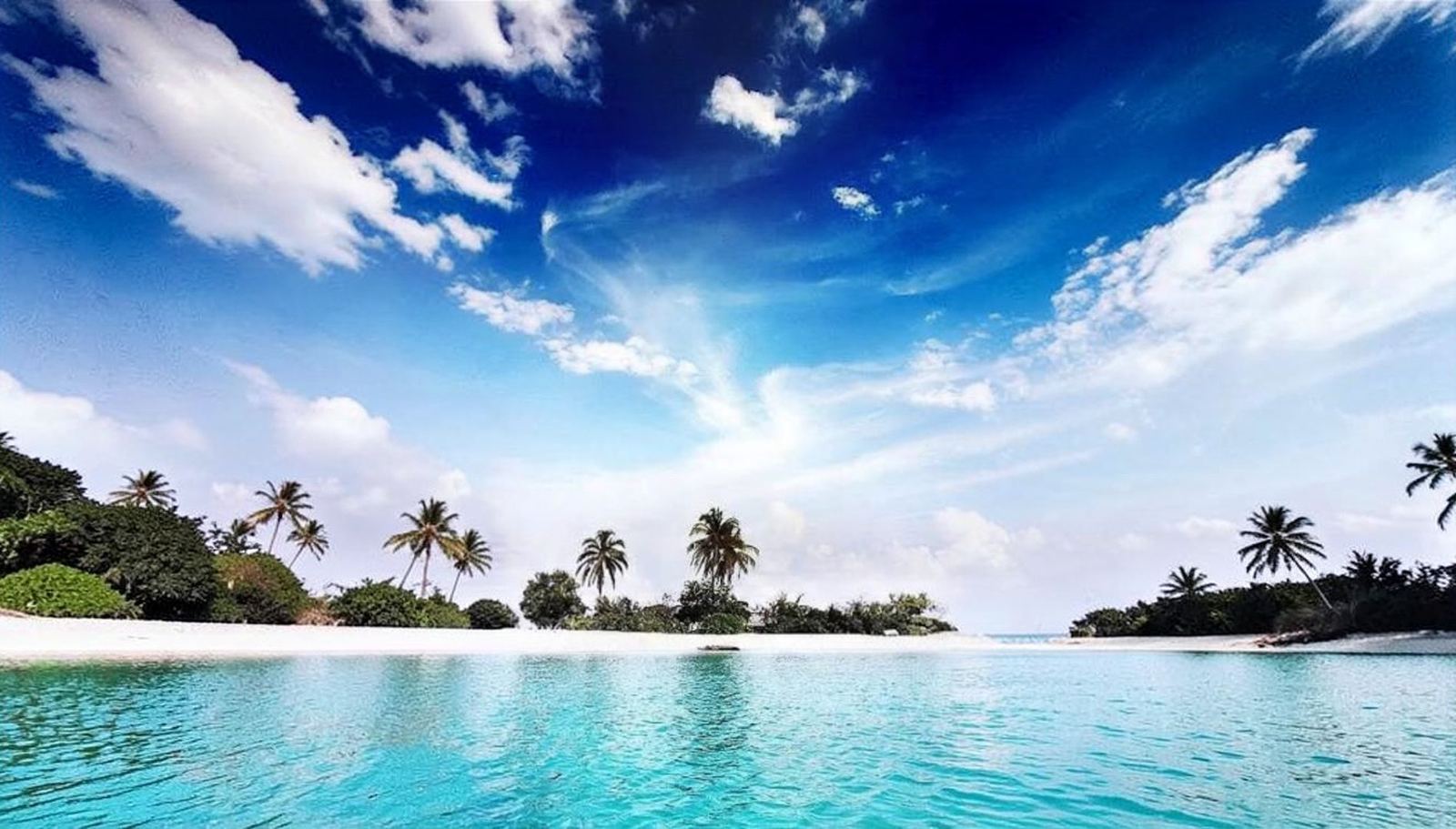
The listed highlights are Salda Lake, Pamukkale and Hierapolis, and an onyx workshop. Salda is known for its white sand and turquoise water, and scientists have studied its shoreline as an analogue for Mars. Pamukkale means cotton castle in Turkish: terraces of white travertine formed by calcium-rich thermal water. Hierapolis, the ancient Roman city above them, shares the UNESCO World Heritage listing. At the workshop you see onyx being carved by artisans.
According to the tour listing, you get hotel pick-up and drop-off, an air-conditioned transfer, and breakfast, lunch and dinner. The programme also includes free time at Salda Lake and the visit to the onyx workshop. With three meals covered on a trip this long, you do not have to organise food along the route. Free cancellation is shown on the listing, and the exact conditions are on the tour page.
Wear a swimsuit under your clothes and bring a towel for Salda Lake. Comfortable shoes help on the Hierapolis paths, and you will need sun protection and water, since the ruins and terraces offer little shade. Pamukkale's travertines are normally walked barefoot, so shoes that slip off easily save time. Spring and autumn are the most comfortable seasons. Summer days are hot, especially on the white surfaces.