Discover the world with local guides.
Popular:
From €100 · Are you dreaming of sharing an unforgettable adventure with the whole family? Board a pirate ship and set off to discover Kuriat Island, departin…
Monastir sits gracefully on Tunisia's central Mediterranean coast, where centuries of maritime defense meet calm waters and golden stone architecture. If you are curating your list of things to do in Monastir, you will find a compact city shaped by its military heritage and modern legacy as the birthplace of Habib Bourguiba, Tunisia's first president. It appeals to history enthusiasts, independent travelers, and families looking for an authentic coastal town without the overwhelming crowds found in larger resort hubs.
Unlike neighboring commercial centers, Monastir preserves a quiet, measured rhythm. The heart of the city revolves around a remarkably preserved medieval fortress, a broad sea promenade, and a modern marina. Traditional fishing harbors sit directly alongside grand historic monuments, giving the town a distinct atmosphere that balances rich North African heritage with relaxed seaside living.
Founded in 796 AD and expanded over several centuries, the Ribat of Monastir stands as the oldest and most prominent Islamic fortress along the North African coast. Built by Arab garrison forces to protect against Byzantine naval raids, this complex features maze-like corridors, inner courtyards, watchtowers, and prayer halls. Climbing the narrow spiral staircase of the Nador watchtower rewards you with panoramic views over the old town, the sea, and the marina. Plan to visit early in the morning when the stone galleries are cool and quiet. Allow at least one to two hours to explore fully.
This majestic monument serves as the final resting place of Habib Bourguiba, the leader who guided Tunisia to independence in 1956 and served as its first president. Located at the edge of a wide parade ground near the Ribat, the structure showcases modern Islamic architecture with its golden dome, twin tall minarets, and polished white marble facade. Inside, delicate carved plaster, brass chandeliers, and a marble sarcophagus honor the nation's founder. Entry is welcoming to international visitors. Dress respectfully, bring a camera, and budget roughly 45 minutes for your visit.
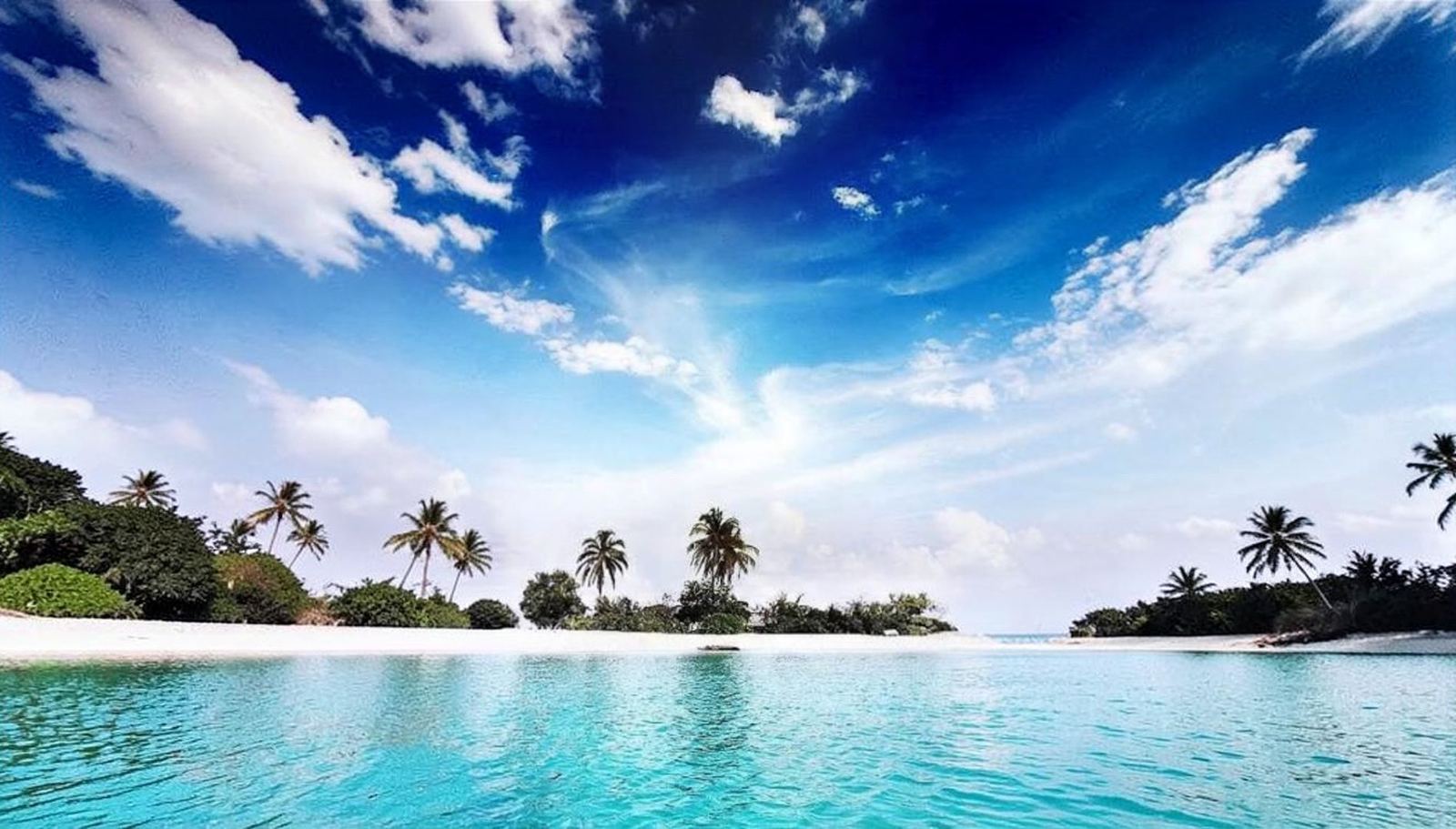
Located off the coast of Monastir, the uninhabited Kuriat Islands offer clear coastal waters and protected nature reserves that host nesting sea turtles. Boarding the Kuriat Island: Pirate Cruise gives you a full day on the water. The boat trip features entertaining crew performances, opportunities to swim and snorkel in transparent turquoise shallows, and a fresh grilled lunch served onboard or on the beach. Pack plenty of high-SPF sunblock, a hat, swim gear, and a beach towel. The entire excursion lasts about eight hours, making it an ideal full-day escape.
Wandering through the walled Medina offers a look into daily Tunisian life away from heavy tourist commercialization. The covered walkways and open-air lanes feature shops selling traditional ceramics, leather goods, woven carpets, spices, and olive oil soaps. Because shopkeepers here tend to be less pushy than those in larger cities, browsing feels unhurried and relaxed. The late afternoon is the best time to explore, as temperatures cool and local residents come out to shop. Spend two hours exploring the lanes, and remember to negotiate politely when purchasing souvenirs.
Located right next to the historic fortress, Monastir Marina serves as the town's modern waterfront gathering place. Deep-sea yachts, sailboat charters, and local fishing craft moor along the quays, which are lined with seafood restaurants, cafes, and ice cream parlors. It is a pleasant spot for a morning coffee or a relaxed fish dinner overlooking the water. Take a stroll along the outer concrete breakwater to watch local anglers at work. Plan for a standard one-to-two-hour visit, particularly during late afternoon or early evening when the harbor lights turn on.
Built in 1963 in tribute to the president, the Bourguiba Mosque stands as a fine example of mid-twentieth-century traditional Tunisian religious architecture. Designed by architect Olivier-Clément Cacoub, its layout draws inspiration from the Great Mosque of Kairouan. The main prayer hall features eighty pink marble columns and elaborate tilework beneath a wooden ceiling. While non-Muslim visitors cannot enter the active prayer hall during worship services, you can admire the elegant exterior courtyards and intricate entry archways. Spend 30 minutes here, ensuring your shoulders and knees are covered.
Housed within the upper rooms of the Ribat fortress, the Museum of Islamic Art contains a carefully displayed collection of historic regional artifacts. Highlights include ancient manuscript leaves written in early Kufic script, medieval glass vessels, Fatimid coins, astrolabes, and intricate gold-embroidered textiles from the region's Ottoman period. Because the collection sits inside the Ribat structure itself, your admission ticket grants access to both attractions. Take 45 minutes to inspect the detailed display cases, which provide essential context regarding Monastir's historical role as a center of religious learning.
Stretching along the dramatic rocky coastline just north of the marina, the Promenade de la Falaise is a broad pedestrian trail designed for coastal walks. The path curves along low cliffs, offering unobstructed views of the Mediterranean breaking against the shore. Benches, small gardens, and seaside cafes dot the trail, making it a favorite spot for local families and joggers. The best time to visit is during the golden hour just before sunset. Wear comfortable walking shoes, bring a jacket for cooler evening sea breezes, and allow an hour for a relaxing stroll.
Monastir experiences a classic Mediterranean climate characterized by hot, dry summers and mild, slightly rainy winters. Deciding when to visit depends on whether you prefer beach activities or comfortable sightseeing.
Spring (March to May) brings comfortable daily temperatures ranging between 18°C and 24°C. Coastal wild plants bloom, crowd levels remain low, and the mild weather makes walking through open-air sights like the Ribat and Medina easy and pleasant.
Summer (June to August) is the peak tourist season. Temperatures frequently exceed 30°C to 35°C, creating ideal conditions for swimming, water sports, and boat excursions. However, historic sites can get hot during midday, and coastal hotels see their highest occupancy rates.
Autumn (September to November) is considered by many locals to be the optimal season. Sea temperatures remain warm enough for swimming through October, while daytime air temperatures settle into a comfortable 22°C to 27°C range. Sightseeing becomes effortless again as crowd numbers decline.
Winter (December to February) brings cooler conditions, with daytime averages around 14°C to 18°C. While swimming is generally off the table, winter offers tranquil streets, clear air, and low rates for accommodation, making it suitable for heritage trips.
Reaching Monastir is straightforward via regional highway networks, coastal rail lines, or direct arrival into the local region. To streamline your arrival and reach your hotel smoothly without dealing with airport taxi lines, you can pre-book a private airport transfer.
Once in Monastir, navigating the city center is easy. The downtown area, Medina, Ribat, Mausoleum, and Marina are located within short walking distance of one another. For trips beyond the center, several transport options exist: