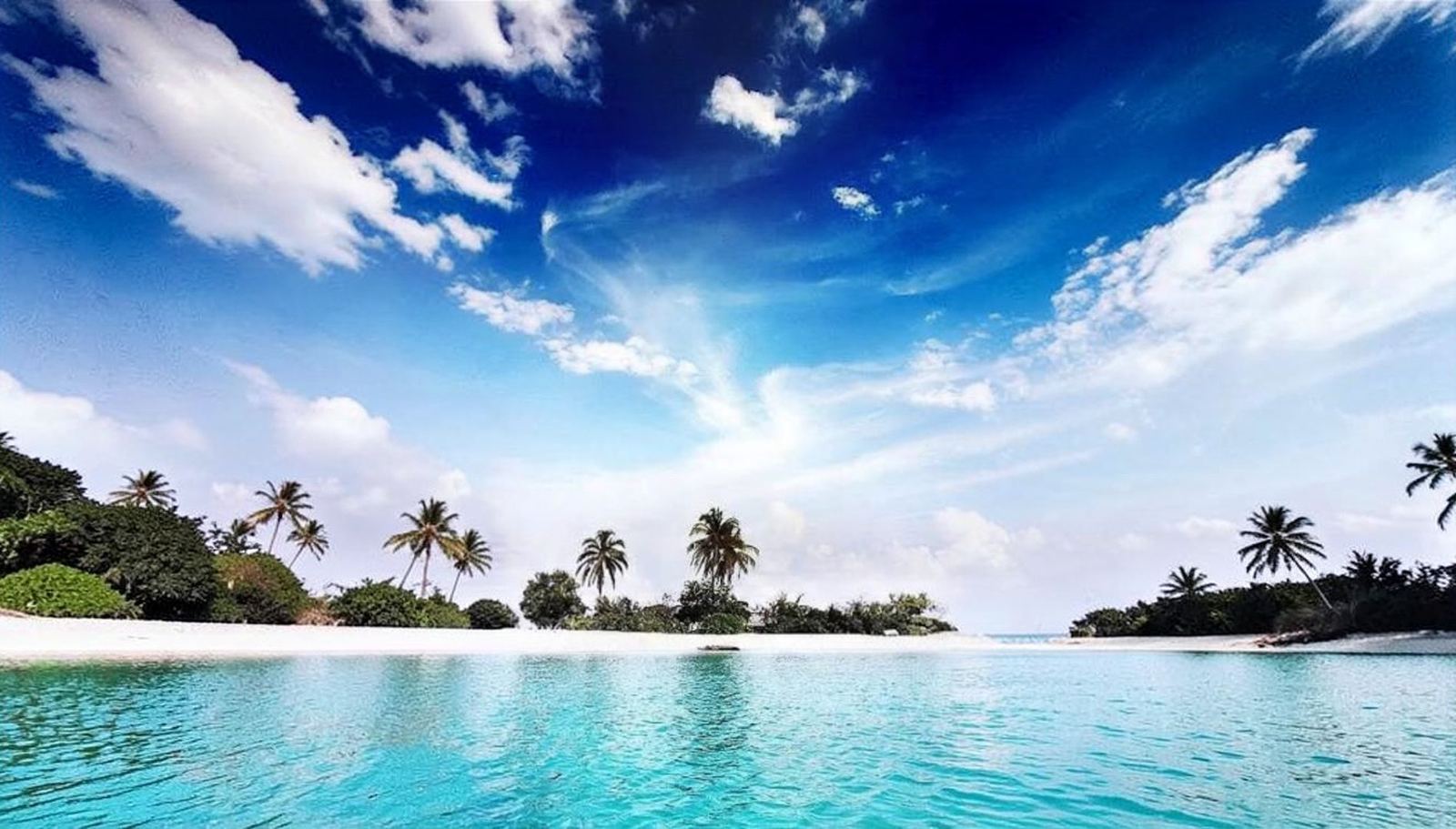
From €78 · Phi Phi Island program details 08.30 a.m. >> Pick up at the hotel (in Ao Nang). If staying in Krabi town or Klong Muang, the car will pick you up…
Krabi sits on the southwestern coast of Thailand, where dramatic karst limestone towers rise sharply out of the turquoise Andaman Sea. If you are researching the best things to do in Krabi, you will quickly discover a destination built for active outdoor enthusiasts, island-hoppers, and nature lovers. Unlike heavily urbanized coastal resorts, Krabi retains a authentic southern Thai character while acting as the primary gateway to some of the country's most celebrated marine parks and coastal reserves.
The province encompasses mainland market towns, dense interior rainforests, and world-renowned coastal strips like Railay Beach and Ao Nang. Whether you are scaling sheer rock faces, paddling kayaks through tranquil mangrove canyons, or venturing out to surrounding archipelagos, Krabi offers a diverse mix of land and sea activities.
Top things to do in Krabi
Climb to the Tiger Cave Temple (Wat Tham Suea)
Located just north of Krabi Town, Wat Tham Suea is a sacred Buddhist site famous for the 1,260 steep steps leading up a towering limestone mountain. At the summit, a massive golden Buddha sits amidst panoramic views of the surrounding palm plantations and jagged karst formations. The site remains an active monastery where monks live and meditate inside natural caves. Reaching the top demands physical effort, especially in the tropical heat, but the view across the province is unmatched.
- Practical Tip: Start your climb before 7:30 AM to avoid peak humidity. Wear clothes that cover your shoulders and knees out of respect for temple customs, and carry at least one liter of drinking water per person. Allow about two to three hours for the full visit.
Explore Railay Beach and Phra Nang Cave
Cut off from the rest of the mainland by steep limestone cliffs, Railay is accessible only by boat, giving it a secluded coastal feel. The peninsula features soft white sand, clear waters, and world-class rock climbing routes suited for beginners and veterans alike. At the southern tip lies Phra Nang Cave Beach, famous for its dramatic overhangs and a sacred spirit shrine filled with wooden phallic offerings left by local boat captains seeking good fortune.
- Practical Tip: Hop on a traditional longtail boat from Ao Nang Pier; the ride takes roughly fifteen minutes. Arrive early in the morning before daytime tour boats anchor near the shore. Plan for a half-day or full-day visit.
Join a Speedboat Tour to the Phi Phi Islands
Offshore exploration is essential when visiting southern Thailand. Booking the Day Trip Phi Phi-Maya-Snorkeling-Lunch by Speedboat gives you direct access to iconic spots including Maya Bay, Pileh Lagoon, and Bamboo Island. The nine-hour itinerary features guided snorkeling over active coral reefs, time to swim in shallow bay waters, and a full buffet lunch served right on the beach.
- Practical Tip: Wear swimsuit under light clothing and pack a dry bag for cameras and electronics. Speedboat transfers run smoothly, but those prone to motion sickness should take medication prior to departure.
Swim in the Emerald Pool (Sa Morakot)
Deep within the Thung Teao Forest National Park lies the Emerald Pool, a natural freshwater basin fed by warm thermal springs rich in minerals. A paved nature trail winds through lowland forest ecosystems before reaching the vibrant turquoise pool. The water remains warm and crystal clear, allowing visitors to cool off in safe, natural swimming zones. Further along the trail sits the striking Blue Pool, an intense natural spring that feeds the forest network.
- Practical Tip: Arrive when the park gates open at 8:30 AM to enjoy peaceful swimming before large tour groups arrive. Wear sturdy sandals or water shoes for walking along slippery limestone paths, and budget two hours here.
Soak in the Klong Thom Hot Springs
Located a short drive from the Emerald Pool, Klong Thom features thermal waters channeling warm, mineral-dense spring water directly into smooth, naturally hollowed rock tubs beneath a shaded forest canopy. The water temperatures range from 35 to 42 degrees Celsius, providing a therapeutic dip that locals use to soothe muscles after outdoor activity.
- Practical Tip: Combine this site with your trip to the Emerald Pool on the same morning. Spend 30 to 45 minutes soaking to stay comfortable, and carry a small dry towel and a fresh change of clothes.
Wander the Krabi Town Night Market
Operating every Friday, Saturday, and Sunday evening, the Krabi Town Night Market (Walking Street) showcases authentic southern Thai culinary traditions and local crafts. Food stalls serve skewered grilled meats, spicy massaman curry, crispy rotis, fresh seafood, and tropical fruit smoothies. A central open-air seating area faces a stage featuring live local music and traditional dance performances.
- Practical Tip: Visit between 6:00 PM and 8:30 PM to experience the market at peak energy. Bring small cash bills, as vendors rarely accept credit cards.
Hike to Dragon Crest Mountain (Khao Ngon Nak)
For sweeping views over the Andaman coastline, challenge yourself on the Khao Ngon Nak nature trail located in Nong Thale. This 3.7-kilometer uphill trek climbs through dense jungle terrain to reach a summit 565 meters above sea level. The trail is steep and demanding, but the reward at the top is a spectacular viewpoint overlooking endless green hills and distant coastal bays.
- Practical Tip: Register at the park ranger station at the trailhead before starting. Wear proper hiking shoes, carry at least 1.5 liters of water per person, and start by 8:00 AM to finish before afternoon heat sets in.
Kayak Through the Ao Thalane Mangrove Canyons
Ao Thalane features one of the most intact mangrove ecosystems in southern Thailand. Renting a kayak or joining a paddle tour allows you to navigate calm, narrow channels enclosed by soaring karst canyon walls. The area hosts diverse wildlife, including crab-eating macaques, kingfishers, and monitor lizards resting along tree roots.
- Practical Tip: Schedule a morning or late afternoon tour to take advantage of cooler temperatures and ideal tides. Wear sun protection, bring quick-drying apparel, and secure your phone in a waterproof pouch.
Relax along Ao Nang Beach
Ao Nang functions as the primary resort hub of mainland Krabi, offering a beachside strip filled with seafood restaurants, cafes, dive shops, and boat piers. While the central sands are busy with longtail boat transport, the beachfront promenade is perfect for early evening walks, open-air dining, and watching sunsets over the open sea.
- Practical Tip: For quieter swimming, walk toward the southern end near the cliff wall during high tide. The sea wall near the main intersection is one of the best spots in town for evening photos.
Experience the Four Islands Route
The Four Islands circuit takes visitors to Koh Poda, Koh Kai (Chicken Island), Koh Tub, and Koh Mor. At low tide, a natural sandbar emerges from the sea, allowing you to walk directly through shallow water from Koh Tub to Koh Mor. The surrounding coral reefs provide clear conditions for light snorkeling.
- Practical Tip: Rent a private longtail boat from Ao Nang Pier for personalized timing, or join a organized boat tour. Double-check tide schedules so you catch the sandbar when it is exposed.
Best time to visit
Krabi experiences a tropical monsoon climate divided into distinct dry and wet seasons. Understanding these seasonal shifts helps you plan the right balance of weather, marine conditions, and crowd levels.
- November to March (Dry Season): This is peak travel season across southern Thailand. Weather conditions feature low humidity, calm sea waters, and clear skies, making it ideal for island tours, diving, and rock climbing. Expect higher accommodation rates and busy beaches.
- April to May (Hot Season): Temperatures peak during these months, often reaching well above 30 degrees Celsius. While humidity increases, sea conditions remain calm. This period offers a solid shoulder-season window for travelers willing to handle hot sun in exchange for fewer crowds.
- June to October (Monsoon Season): The rainy season brings heavy afternoon downpours, rougher seas, and higher waves that can limit boat transport to outer islands. However, rainfall often occurs in short, intense bursts rather than continuous days of rain. Travel during these months offers lower hotel prices and quiet national parks, though flexibility in daily planning is necessary.
Getting there and getting around
Reaching Krabi is straightforward via regional bus lines, express ferries from nearby islands, or flights arriving directly into the province. To take the stress out of your arrival and avoid negotiating taxi fares at the terminal, you can book a private airport transfer directly to your hotel in Krabi Town, Ao Nang, or Klong Muang.
Once you are established in the area, getting around is simple:
- Longtail Boats: The standard mode of transport for reaching coastal destinations cut off by cliffs, such as Railay Beach, or for short trips to nearby islets. Tickets can be purchased directly at main piers like Ao Nang or Noppharat Thara.
- Songthaews: These shared pick-up trucks with rear bench seating operate along fixed routes connecting Krabi Town, Ao Nang, and Shell Cemetery. They provide an economical way to move between mainland districts.
- Local Taxis and Tuk-Tuks: Readily available in major tourist areas for direct point-to-point travel. Agree on the total fare with the driver before starting your journey.
- Motorbike Rentals: A popular option for independent travelers exploring mainland sites like Dragon Crest Mountain or local waterfalls. Ensure you have an international driving permit, wear a helmet at all times, and practice caution on rural roads.
Suggested itineraries
One-Day Itinerary
- Morning: Start early with a climb up the 1,260 steps of Tiger Cave Temple to catch morning views over Krabi before the sun reaches its peak.
- Afternoon: Head to Ao Nang Pier and board a longtail boat over to Railay Beach. Spend your afternoon swimming, relaxing on Phra Nang Cave Beach, or watching local rock climbers on the cliff faces.
- Evening: Return to Krabi Town (if visiting Friday through Sunday) to explore the Night Market, sampling fresh seafood and local southern Thai street food.
Three-Day Itinerary
- Day 1: Mainland Nature & Culture. Climb Tiger Cave Temple early in the morning, followed by a trip inland to swim in the Emerald Pool and soak in the Klong Thom Hot Springs. Finish the day with dinner along the Ao Nang seafront.
- Day 2: Outer Island Exploration. Spend the full day on the water by taking a offshore speedboat excursion across the marine park to experience Maya Bay, Pileh Lagoon, and prime snorkeling reefs.
- Day 3: Coastal Adventure & Sunsets. Take a morning kayak tour through the Ao Thalane mangrove canyons. In the afternoon, head over to Railay Peninsula for beach relaxation, finishing your trip with dinner at a seaside restaurant in Ao Nang.
Practical tips
- Currency and Payments: The currency is the Thai Baht (THB). While major hotels and established restaurants accept credit cards, cash remains essential for longtail boat fares, night market stalls, songthaews, and small family-run eateries. ATMs are widely available across Ao Nang and Krabi Town.
- Dress Code for Temples: When visiting sacred locations like Wat Tham Suea, dress respectfully. Both men and women must cover their shoulders and knees. Remove shoes before entering indoor temple shrines.
- Sun Protection and Reef Care: Sun intensity is strong near the water. Use high-SPF sunscreen, wear broad-brimmed hats, and choose reef-safe sunscreen formulas to protect marine life when swimming near active coral reefs.
- Hydration and Tap Water: Do not drink untreated tap water. Purchase bottled mineral water or use refill stations located inside major hotels and shops to stay hydrated during outdoor hikes.
- Tipping Etiquette: Tipping is not strictly customary in traditional Thai culture, but it is appreciated in tourist areas. Leaving small change at local eateries or tipping tour guides and boat drivers for solid service is good practice.
- National Park Fees: Many island tours, natural pools, and mountain hikes take place inside protected national parks. Carry extra cash to cover standard park entry fees, which are often separate from private transport costs.